
What to Wear for Your Family Portrait Session
(So Your Photos Last a Lifetime)
The right outfits don’t just look good in the frame — they tell the story of your family, exactly as it is right now.
Clothing is one of the few things in a portrait session you have complete control over before the day arrives. And when it’s done thoughtfully, it elevates every single image — the ones you frame, the ones you send as holiday cards, the ones your children will look at decades from now.
Here’s how to approach it:
Think family, not matching
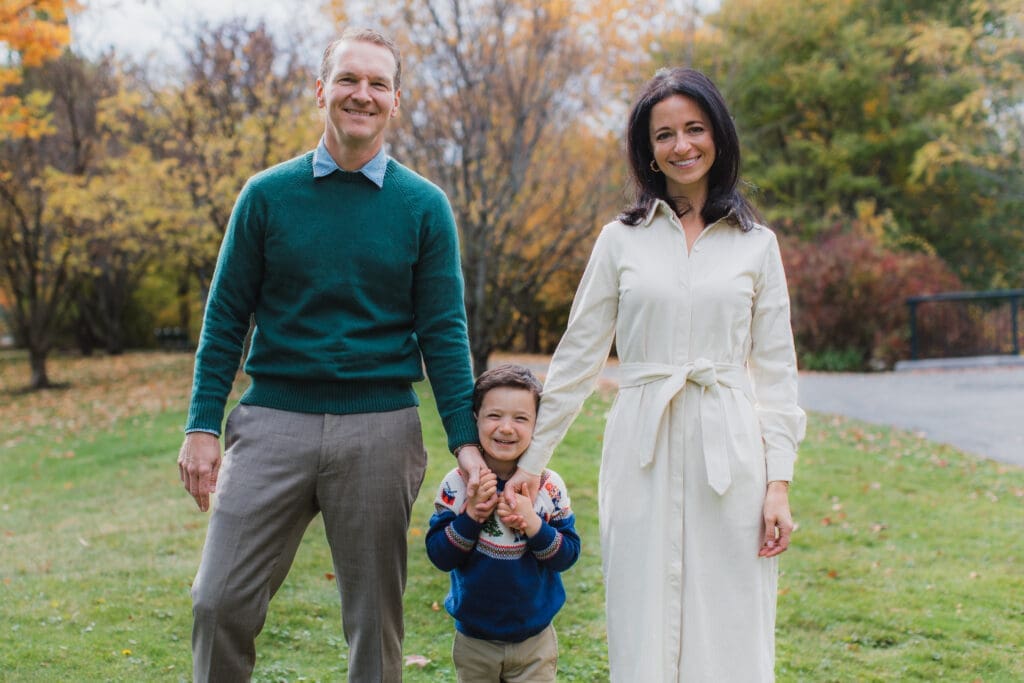
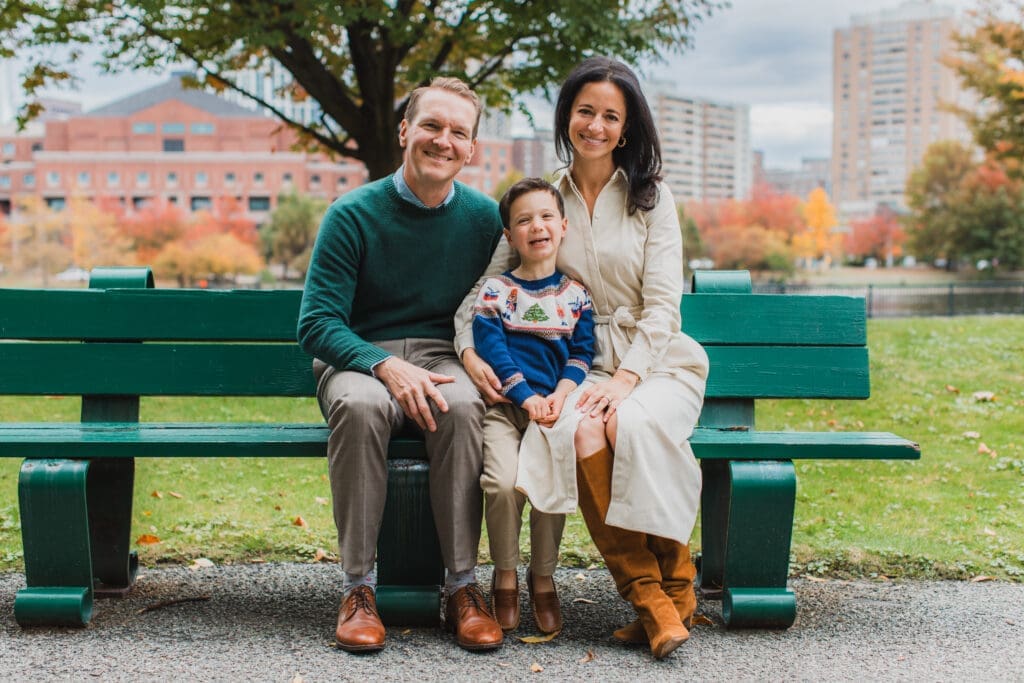
Coordinated doesn’t mean identical. What you’re going for is a cohesive palette: a family of colors that work together, feel intentional, and photograph beautifully without screaming “we planned this.”
A simple approach: choose two to three anchor colors, then dress each person in a variation or complement of those tones. Think warm neutrals, soft earth tones, sage, cream, dusty blue, terracotta. These shades hold up beautifully in natural light and age well in print.
One person can wear a pattern — a soft stripe, a subtle floral, a tone-on-tone texture — while the rest stay in solids. This creates visual interest without chaos.
Choose colors that work with your environment
Before you finalize outfits, think about where we’re shooting. The location shapes everything.
- Outdoor sessions in green spaces — lean into warm neutrals, cream, and earthy tones that complement rather than compete with the landscape
- Urban or architectural settings — slightly richer tones work well: camel, rust, deep olive, warm white
- Indoor or studio sessions — you have more flexibility, but keep the palette soft and cohesive
As a general rule: avoid colors that are brighter than the backdrop. Your family should be the focal point, not the outfits.
Dress the children first
Children’s clothing tends to have the least flexibility — fewer neutrals, more patterns, more logos, more color. Start with what looks best on your youngest or most difficult-to-dress child, then build everyone else’s look around that anchor.
This simple shift removes most of the stress from the planning process.
A few things that photograph well on children: soft linens, classic cuts, muted tones, simple layers. A few things that don’t: graphic tees, logos, anything stiff or unfamiliar that will make them uncomfortable.
Comfort is everything when it comes to photographing children. If they’re tugging at a collar or itching a tag, it shows.
Layers add depth to your images
A cardigan, a light jacket, an open button-down — layering adds dimension to portraits that flat, single-layer outfits simply don’t have. It also gives you flexibility during the session: layers can come on and off to create visual variety across your gallery.
This is especially useful if you want to walk away with images for different uses — a formal portrait for the wall, something more relaxed for holiday cards, a candid for your family archive.
Details that make the difference
Once your looks are chosen, run through this checklist:
- Fit first. Clothes that fit properly always photograph better than clothes that are expensive but ill-fitting. If something needs tailoring, do it before the session.
- Steam or press everything. Wrinkles that feel minor in person read clearly in photographs. Give yourself time the night before.
- Shoes matter. Even for portraits that don’t typically show shoes — they affect posture, comfort, and movement. Bring footwear that works with the look.
- Avoid large logos and brand names. These date quickly and pull focus away from faces.
- Keep jewelry simple and meaningful. A few considered pieces photograph better than everything layered at once.
What not to wear
A few things that consistently work against family portraits:
- Neon or very bright colors — they cast onto skin tones and dominate the frame
- Overly busy patterns — they compete with faces and can cause visual vibration in images
- Clothes that don’t fit correctly right now, regardless of sentiment
- Brand new outfits your children have never worn — unfamiliarity makes children uncomfortable, and it shows
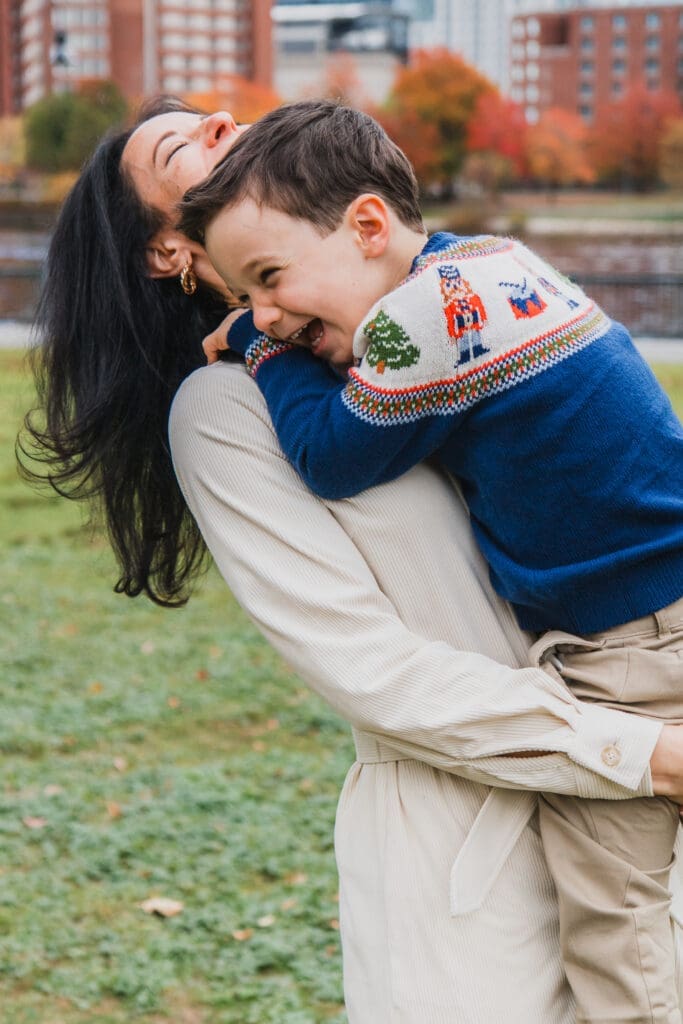
The goal is ease. Families who are comfortable in what they’re wearing move more naturally, laugh more freely, and look more like themselves. That’s what makes a portrait worth keeping.
A note on what this session is really for
Family portraits are not about perfect outfits. They are about stopping time — creating a record of who you are together, right now, at this exact age and stage.
Your children will not remember what you wore. They will remember that you showed up, that you were present, that you chose to document this season of life. The outfits simply need to feel like you — not a dressed-up version of someone else.
Wear what makes your family feel like your family. Let me take care of the rest.
Ready to book your Boston family portrait session? I’d love to create images you’ll return to for decades.
https://jazbaldenegrophotography.com/contact
Warmly, Jaz

Be the first to comment